
«

»

Mar 24

Organic Garden Basics For Vegetable Gardeners

It doesn’t take a rocket scientist to plant vegetables but how successful you will be maybe questionable. If you don’t know organic vegetable gardening basics you may well be missing out on a healthy fruitful garden. Those using the old fashioned way which has been proven to be not only very effective, but produce safe and healthy vegetables as well tend to have less disease and pests and no synthetic ingredients.

The first thing is what does organic vegetable gardening mean? Organic vegetable gardening is simply a way of growing that does not use any synthetic fertilizers and pesticides. In short, you work with nature to provide the best environment for the plants to grow in.

To chose the right vegetable to plant knowing which of these are suitable to the soil and the climate in your area. If you live in an area that experiences droughts, buy plants which require less water. If you have a short growing season then you will want to look for plants that mature quickly.

Before you plant seeds , make sure the garden is ready by tilling so it is clear of both of rocks and weeds as well as large clumps of soil.

The next step will be adding compost, bone meal or rock phosphate ,and greensand to the soil to supply it with nitrogen, phosphorous and potassium. Check the soil If the pH level of the soil is too high, add lime or sulfur to adjust it. A Soil test can be preformed by your Dept. Of Agriculture extension service.

Then it is time to plant the seeds. Make sure the seedbed is level and that you space your seeds according to the direction on the package. Be sure that you cover the seed to the right depth.

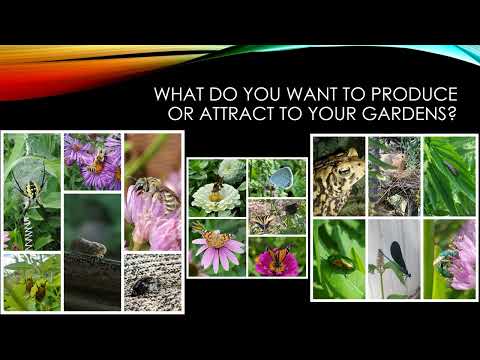
Pests are the biggest threat to your organic garden. An integrated approach here will help to keep your plants safe. Birds, frogs, and other insects can be your allies here . The simplest way to enlist their help is by providing a friendly environment for them. By putting up some bird houses or building a small pond you will be inviting these helpful creatures into your back yard. Once they find these homes they will move in and start to reduce your pest populations by eating those who seek to eat your crops.

If you place row covers on your vegetables it will help keep moths and other insects from laying their eggs. There are also sticky traps and foil collars to stop pests and borers. Also organic pesticides that will help but some of them can only kill one or two kinds of pests. So before you buy them, make sure you know what pest you are dealing with..

Crop rotation is important to ward off disease and soil born organisms . This is also a good way to feed the soil. Once you have harvested a crop till in the rest of the plant material then replant the area with a different kind of vegetable.This will not only help the fertility of the soil but help to cut down on insects and disease by changing the type of plants grown.

Anyone can learn organic vegetable gardening basics and soon have their own fresh healthy vegetables right in their own backyard.The good thing is you will know that it is not only the freshest vegetables but it will be free of harmful chemicals and pesticides that you might get if you purchased these vegetables from a store.

LandscapeUSA.com

2 comments

1 ping

  1. Owen Bell

    the best thing about organic gardening is that they are not contaminated with those chemicals`’,

  2. Body Detox 

    organic gardening is the thing that we do, we do not like artificial chemicals on our backyatd vegetable farm;`”

  1. Organic Garden Basics For Vegetable Gardeners | Starting Gardening - Gardening Tips & Advice

    [...] posted here: Organic Garden Basics For Vegetable Gardeners No comments currently exist for this post. Leave a Reply: Click here to cancel [...]

Leave a Reply

Your email address will not be published. Required fields are marked *

You may use these HTML tags and attributes: <a href="" title=""> <abbr title=""> <acronym title=""> <b> <blockquote cite=""> <cite> <code> <del datetime=""> <em> <i> <q cite=""> <strike> <strong>